Surveillance | Mosquito & Vector Control Services

The Surveillance Department at the San Gabriel Valley Mosquito and Vector Control District uses field monitoring, disease surveillance, and scientific data to guide local vector control. Our team monitors mosquito and black fly populations and tracks mosquito-borne viruses to help the District respond to conditions in the communities we serve.
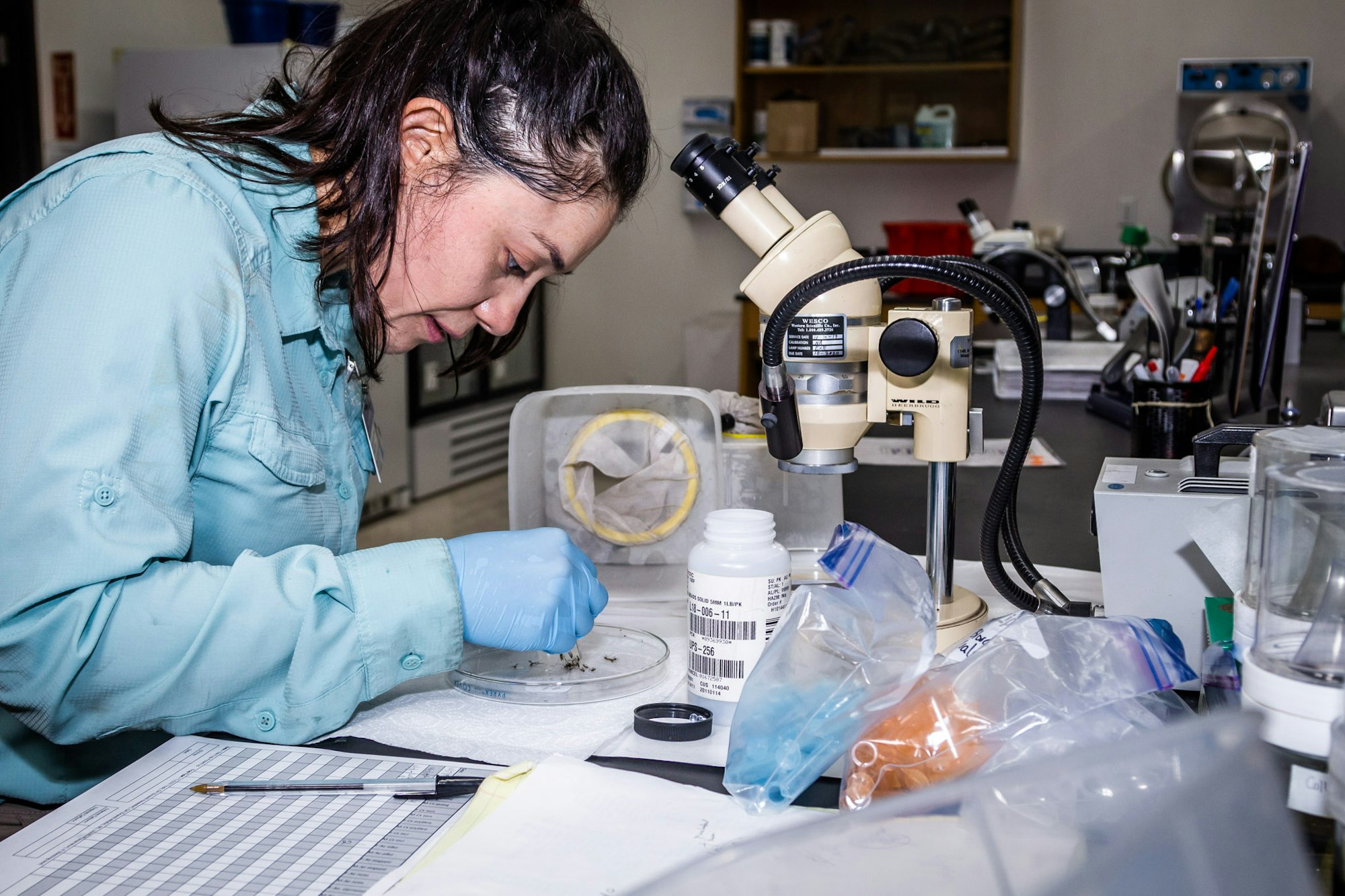
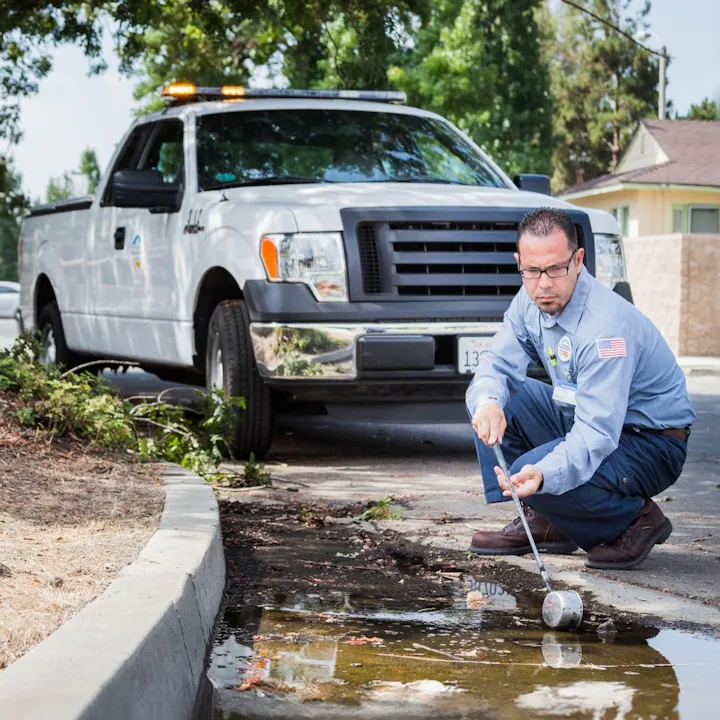
Understanding local mosquito populations starts in the field. Our team uses mosquito traps to collect samples from locations within District boundaries. By tracking the species collected and their numbers, we monitor where mosquitoes are active and how populations change over time.
Comparing current findings with historical data helps us recognize changes in mosquito activity and better understand local conditions. This ongoing monitoring provides a scientific foundation for the District’s mosquito control efforts.
Black Fly Surveillance in Foothill Communities
Black flies are a persistent biting nuisance in San Gabriel Valley foothill communities, including Azusa, Duarte, Glendora, Monrovia, and Sierra Madre. Our Surveillance team uses traps to collect black flies and monitor species and population levels, providing scientific information that helps guide the District’s response.
The District also monitors black fly larvae in flowing water, including rivers and streams. Monitoring both larval and adult populations helps inform treatment decisions and evaluate the effectiveness of black fly control efforts.
Laboratory Testing and Disease Surveillance
Mosquito monitoring tells us where mosquitoes are active. Testing helps us determine whether mosquito-borne viruses are present.
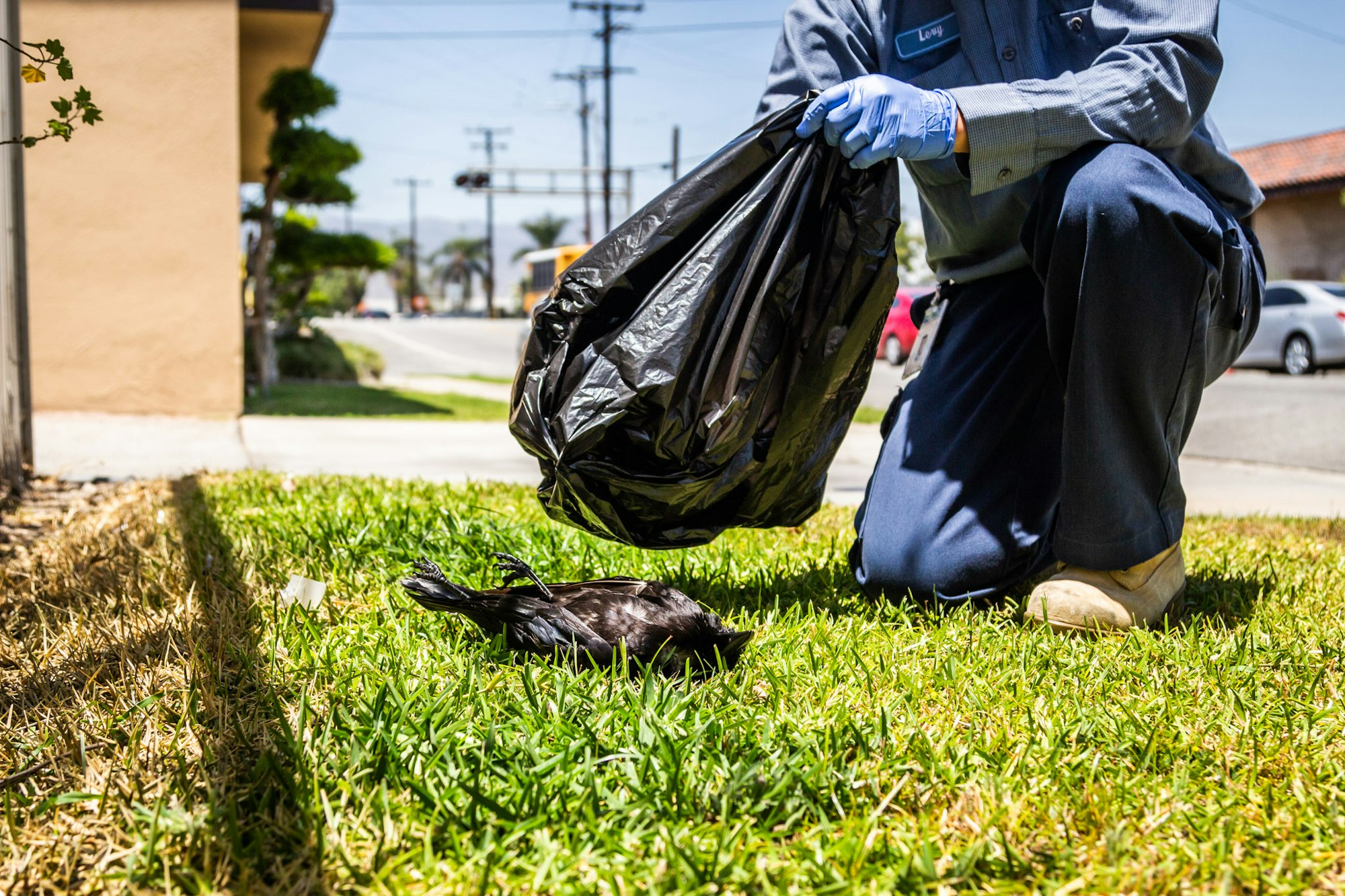
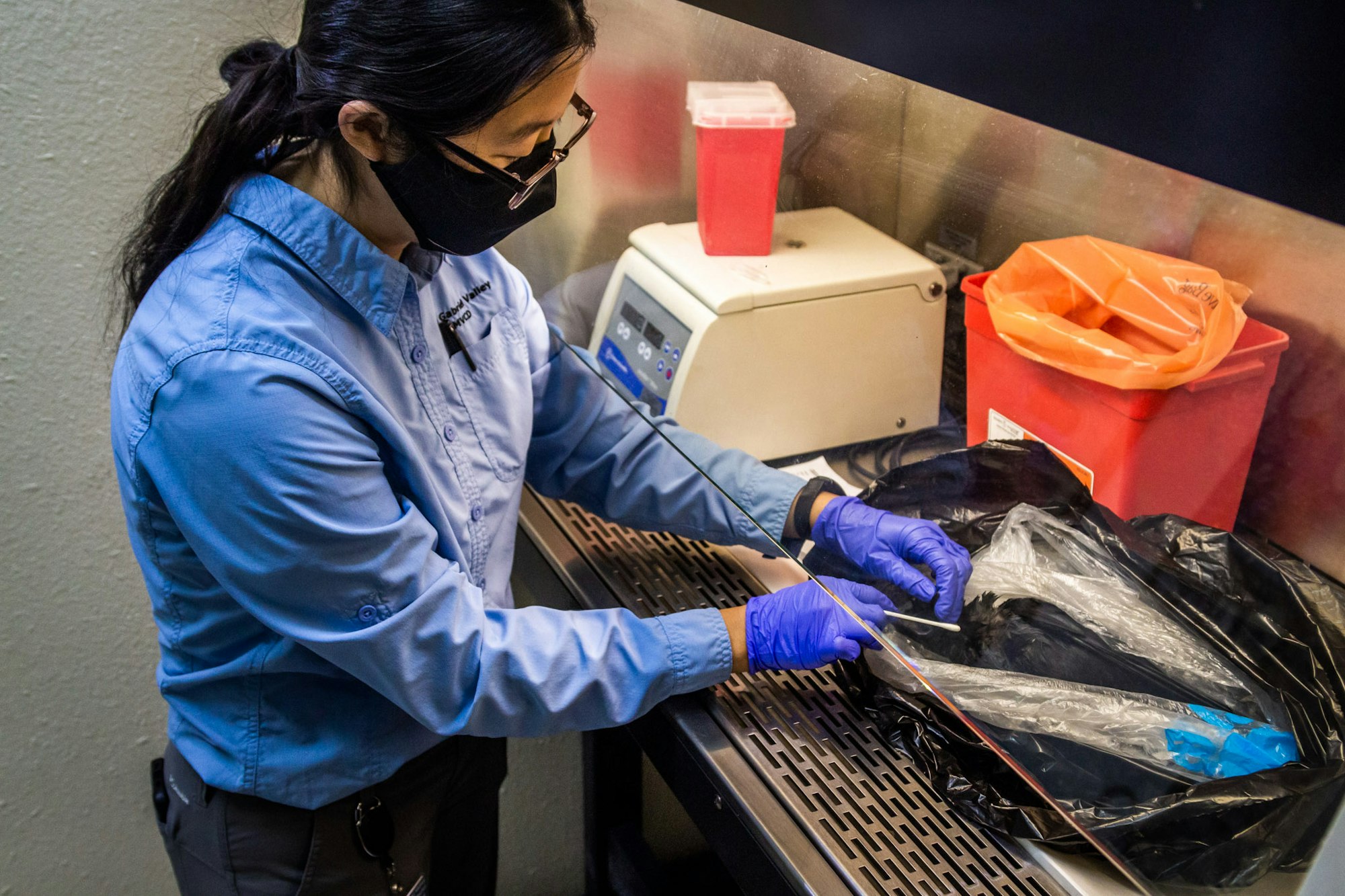
Mosquito samples are tested for viruses such as West Nile virus. Our disease surveillance program also includes wild birds, with dead birds submitted for testing to help track local virus activity.
Together, these efforts serve as an early-warning system. Detecting viruses in mosquitoes and birds can help identify potential public-health risks before human cases are reported.
Turning Scientific Data Into Action
Surveillance connects science with mosquito control. Our team analyzes mosquito population trends and disease surveillance findings to identify areas that may need additional attention and help guide the District’s response.
These findings support decisions about mosquito control and targeted treatments. By using local data, the District can respond to conditions in the San Gabriel Valley communities we serve.