I am a Landscaper / Gardener

Outdoor Worker Safety
Working outdoors puts you at high risk for mosquito bites. Protect yourself and your crew with these essential safety practices:
- Dress for the Job: Wear lightweight, light-colored, long-sleeved shirts and long pants. Mosquitoes are attracted to dark colors and can easily bite through tight denim.
- Apply EPA-Registered Repellent: Apply repellent to all exposed skin. Look for active ingredients proven to work: Picaridin, DEET, Oil of Lemon Eucalyptus, or IR3535.
- Reapply Correctly: If you are sweating heavily, reapply your repellent according to the product label instructions.
- Sunscreen First, Repellent Second: When equipping your crew for the day, always apply sunscreen first, let it dry for a few minutes, and then apply your mosquito repellent over it.
Landscape Management
Mosquitoes don't just fly around all day; they need a place to rest out of the intense SoCal sun and wind. Overgrown yards create microclimates of high humidity that mosquitoes love. In addition to maintaining dense vegetation, there are hidden breeding sources in yards that need to be sustained since they are the perfect place for mosquitoes to lay their eggs.
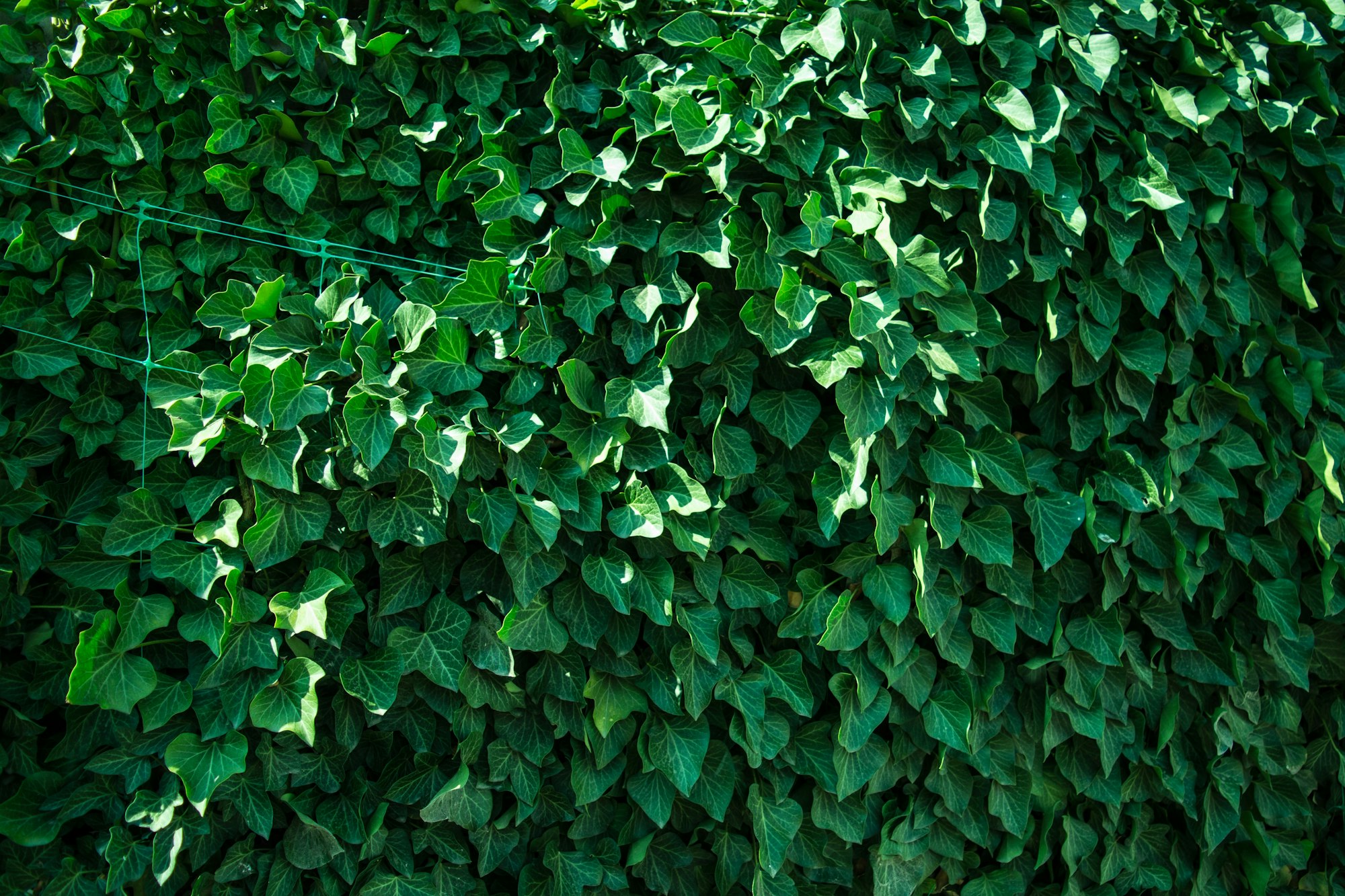
Some examples of mosquito-attracting vegetation that should be regularly maintained:



Here's what you can do to reduce mosquitoes:

Don't forget to check for stagnant water accumulating in hidden places like:

- French drains (water pooling on tarp)
- Bromeliads (middle cups can hold stagnant water)
- Underground corrugated pipe (grooves can hold water)
- Small plant saucers hold enough water to grow mosquitoes
- Drains around the property
- Watering cans
- Routinely prune and thin out the undergrowth of dense bushes, heavy hedges, and ground covers like English Ivy.
- Opening up the canopy allows wind and sunlight to penetrate the plants, drying out the humidity and destroying their resting habitats.
Clear out leaf litter and dead debris caught inside dense shrubs, as these trap moisture and create hidden pockets for water to pool.


Hidden sources can include:
- Rain gutters
- Rain barrels
- Pipes
- Tires
- Fountains
- Tarps
- Storm drains
Traditional SoCal yards require heavy irrigation, creating the humid, wet environments mosquitoes thrive in. While no plant completely repels mosquitoes on its own, transitioning to California native plants and landscaping mosquitoes out drastically reduces the factors that attract them.
California Native Plants Attract Less Mosquitoes

California native plants are beneficial and natural solutions for reducing the amount of mosquitoes that bite while you're working in the yard. While they don't repel mosquitoes, they certainly provide less factors that mosquitoes love in traditional yard plants.
- Less Water, Less Breeding: Native plants are drought-tolerant and require significantly less water, meaning fewer puddles and less stagnant runoff.
- Open Canopies: Many native species naturally have more open, airy structures that don't trap windless, humid air the way dense, non-native tropical tropical plants do.
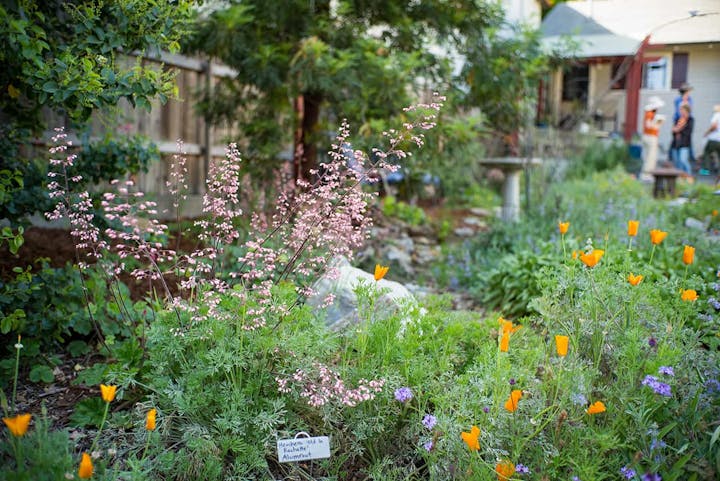
Try incorporating these beautiful, low-water California natives into your next landscape design:

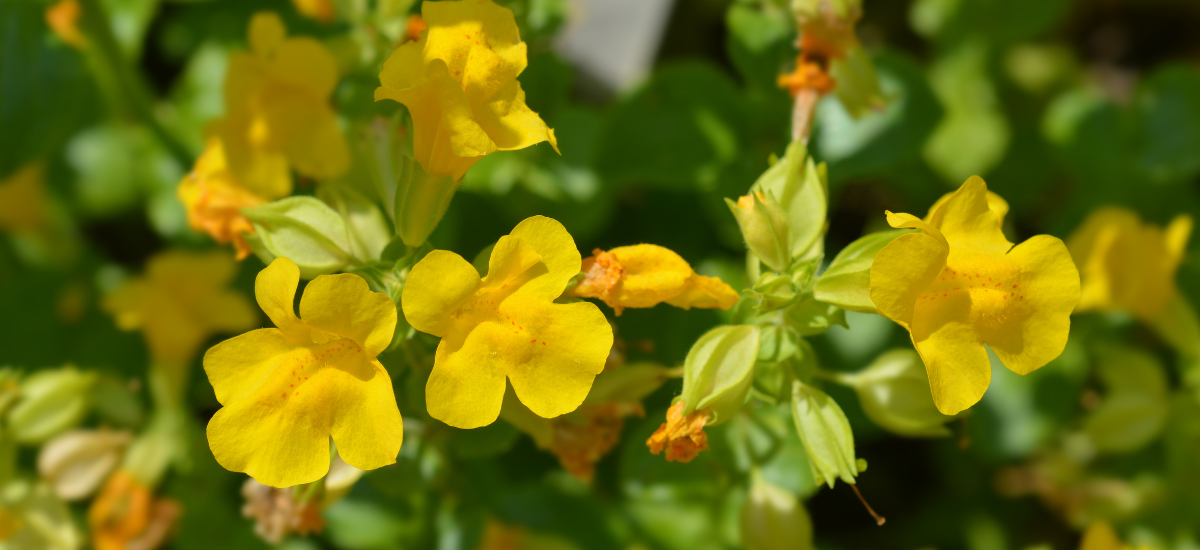


Other California native plants to look into:
- White Sage (Salvia apiana)
- California Buckwheat (Eriogonum fasciculatum)
- Deer Grass (Muhlenbergia rigens)
- Toyon (Heteromeles arbutifolia)
Mosquito Repellent Product Myths
- Repellent Plants - Plants that have repelling "odors" don't work effectively. Unless you grind the plants to release the smell, and apply it to your skin, the plants will not keep mosquitoes away from you.
- Repellent fans and candles - There is no scientific proof that in a real-world setting that these repellents work more effectively than applying repellent to exposed skin. A breeze through your backyard can carry the effectiveness away of the candle or fan away from you.